Medical Oversight for Aesthetic Injectors in New Zealand: What You Actually Need to Know
Medical oversight for aesthetic injectors in New Zealand is a legal requirement and choosing the right model can transform how you practise. Here's everything independent practitioners need to know.
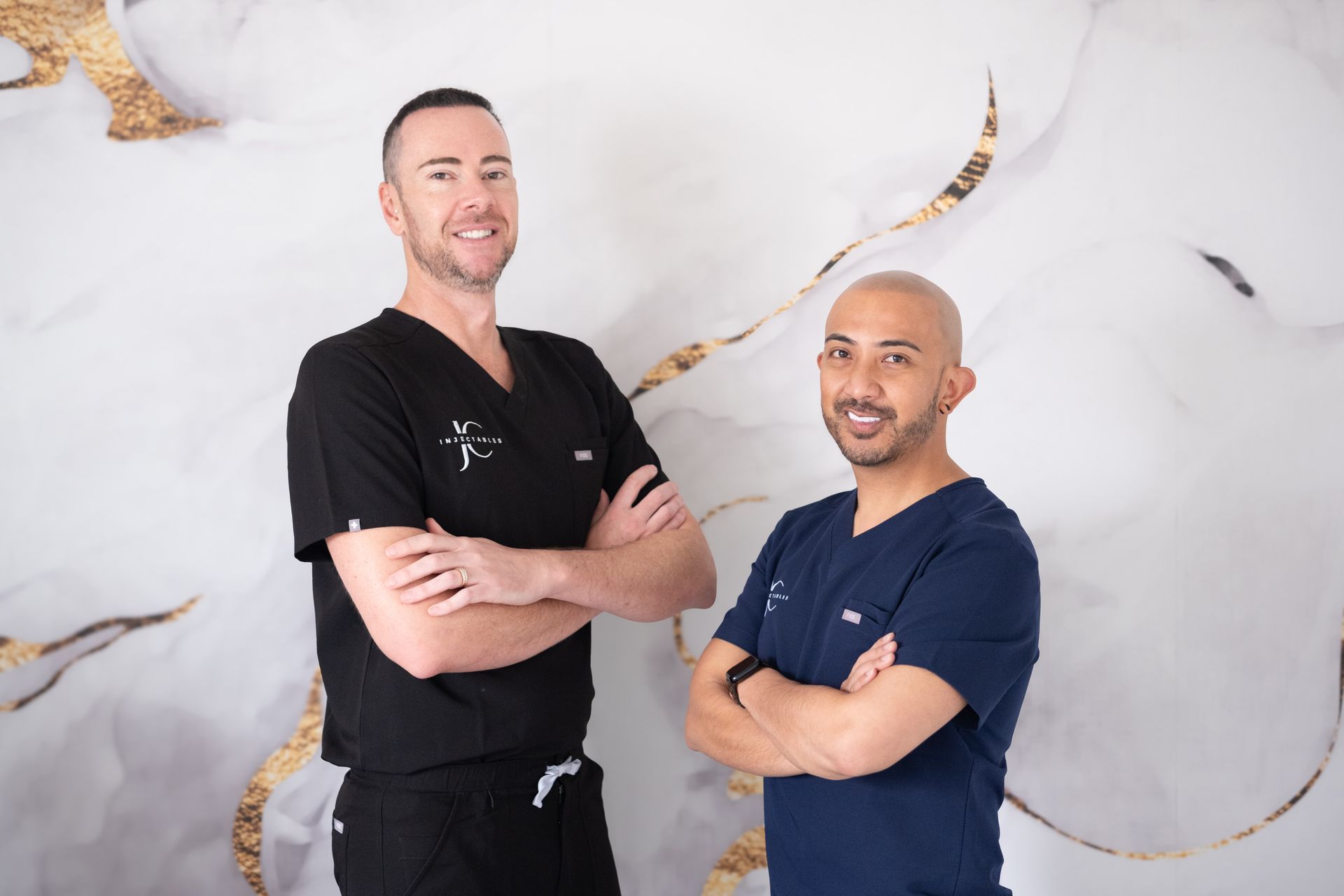
You're a skilled clinician. Your oversight framework should reflect that.
You've built your skills, your client base, and your reputation. But somewhere between going independent and running a full clinic schedule, the question of medical oversight starts to feel like a weight you carry quietly.
Who's signing your standing orders? What happens if you face an adverse event at 7pm on a Friday? Is your oversight provider actually across the realities of aesthetic practice or are they just ticking a compliance box from a distance?
These aren't abstract concerns. For independent aesthetic injectors in New Zealand - whether you're a registered nurse, enrolled nurse, doctor, dentist, pharmacist, midwife or paramedic practising in aesthetics - medical oversight is a legal requirement, a clinical safeguard, and a business foundation all at once. Getting it right matters.
This guide covers what medical oversight actually means in the NZ context, why the model you choose has a real impact on how you practise, and what to look for when you're evaluating your options.
What Is Medical Oversight for Aesthetic Injectors?
Medical oversight is the formal clinical framework that authorises independent injectors to administer prescription medicines including the injectables used in cosmetic procedures outside of a hospital or GP setting.
In New Zealand, many practitioners who perform aesthetic treatments cannot independently prescribe Schedule 2 and Schedule 3 medicines within the aesthetic context. To administer these legally, you need standing orders issued by an authorised prescriber.
That prescriber takes clinical responsibility for the medicines covered under those orders, and your practice operates within the framework they provide.
Without valid standing orders, you're not legally able to administer many of the core products used in aesthetic practice, regardless of your professional background. It's that straightforward.
But oversight is more than a signature on a document. Done well, it includes:
- Standing orders that cover the specific medicines and treatments you offer
- Clinical protocols for patient assessment, consent, and treatment delivery
- Adverse event support ideally available outside standard business hours
- Advertising and compliance guidance so your marketing meets Medsafe and ASA requirements
- Ongoing clinical education that keeps your practice current and safe
The Multidisciplinary Reality of Aesthetic Medicine
The aesthetic medicine landscape in New Zealand is genuinely multidisciplinary. Registered nurses, enrolled nurses, doctors, dentists, paramedics, and other regulated health practitioners are all working in this space, each with different scopes of practice, different prescribing authorities, and different compliance needs.
What unites all independent aesthetic injectors, regardless of professional background, is the need for a clear, current, and clinically sound oversight framework. The specific shape of that framework may differ by profession, but the principles are the same: valid standing orders, solid clinic protocols, and a prescriber who understands what you actually do.
Good oversight doesn't look the same for everyone and a provider worth working with will understand your specific professional context, not offer a one-size-fits-all document that was designed for someone else's practice.
Why the Model Behind Your Oversight Matters
Not all oversight arrangements are equal, and the model behind them shapes your day-to-day experience as a practitioner.
The traditional approach has been doctor-led oversight - a GP or cosmetic doctor signs off your standing orders, often remotely, often with limited understanding of aesthetic practice across disciplines. For many independent injectors, this has meant slow responses, generic protocols that don't reflect how you actually work, and a relationship that feels transactional at best.
There's a better model emerging, and it's built around nurse practitioners.
Why Nurse Practitioner-Led Oversight Is Different
A nurse practitioner (NP) in New Zealand holds full prescribing authority under the Nursing Council of New Zealand. They can issue standing orders, take clinical responsibility for those orders, and provide the same legal foundation as a doctor-led arrangement but with a fundamentally different dynamic.
NPs have trained through nursing. They understand clinical reasoning, scope of practice, and the pressures of independent practice in a way that many doctors simply don't. When your oversight provider has worked within the same clinical world you're navigating, the guidance they offer is grounded in that reality.
The difference shows up in practical ways: protocols that actually fit how you practise, compliance advice that's relevant to your context, and a relationship that feels like partnership rather than supervision. For injectors from all backgrounds - nurses, paramedics, dentists, doctors and others - this collaborative approach means oversight that genuinely supports you rather than just ticking a box.
What Independent Injectors in NZ Are Actually Required to Have
If you're practising independently in New Zealand, here's what your compliance framework needs to cover:
Valid Standing Orders
Your standing orders must be issued by an authorised prescriber under the Medicines Act 1981 and must specifically cover the medicines you're using. Generic or outdated orders that don't reflect your current treatment menu create real clinical and legal risk. Review them regularly, and make sure your oversight provider updates them when your practice evolves.
Clinic Protocols
Beyond standing orders, you need documented protocols covering patient assessment, informed consent, contraindications, and treatment procedures. These aren't just administrative paperwork, they're the clinical backbone of a safe practice and essential if you ever face a complaint or audit.
Adverse Event Management
You need a clear plan for managing adverse events, and you need to know you can reach your oversight provider when something goes wrong. Adverse events don't schedule themselves around business hours. If your oversight arrangement doesn't include after-hours support, that's a gap worth addressing.
Advertising Compliance
Aesthetic advertising in New Zealand is regulated. Medsafe guidelines restrict how prescription medicines can be promoted, and the Advertising Standards Authority has specific rules for health and beauty claims. Your oversight provider should be able to guide you on what's compliant — because getting this wrong can result in formal complaints and reputational damage.
The Questions Worth Asking Before You Commit to an Oversight Provider
Choosing an oversight provider is a significant decision. Here are the questions that actually matter:
Who is issuing your standing orders, and what are their credentials? Is it a doctor, a nurse practitioner, or something less clear? Understand exactly who holds prescribing authority in your arrangement and what their background is in aesthetic practice.
Are the standing orders specific to your treatments and your professional background? Generic standing orders that don't reflect your actual treatment menu - or that weren't designed for your professional scope -are a liability. Your orders should cover the specific products and procedures you offer, and be appropriate for your registration.
What happens when something goes wrong after hours? Ask directly: if you have an adverse event at 8pm, who do you call, and how quickly will they respond? If the answer is vague, that's a red flag.
Do they understand the NZ regulatory environment? Oversight providers based in Australia or operating with an Australian compliance framework may not be across New Zealand-specific requirements. The Medicines Act 1981, Medsafe guidelines, and NZ practitioner standards have their own nuances. You want a provider who knows this landscape.
Do they understand your professional background? If you're a paramedic, dentist, or nurse working in aesthetics, your oversight needs may differ from a doctor injector's. A good provider will understand those differences and tailor your framework accordingly not hand you a template built for someone else.
Is the relationship collaborative or just administrative? Some oversight arrangements are purely transactional - you pay, you get documents, you're on your own. Others offer genuine clinical partnership, education, and community. Think about which one actually supports how you want to practise and grow.
What Good Oversight Looks Like in Practice
When your oversight framework is working well, you probably don't think about it much. That's the point.
Your standing orders are current and relevant. Your protocols are solid. You know exactly who to call if something unexpected happens, and you trust that they'll pick up. Your advertising is compliant. Your clinical knowledge is growing through training and community, not just through trial and error.
Good oversight doesn't constrain your autonomy - it's what makes genuine autonomy possible. You can practise confidently and independently precisely because the clinical and compliance foundations are in place.
The injectors who feel most secure in their practice aren't the ones who've avoided oversight. They're the ones who've found an oversight partner who actually gets what they do - whatever their professional background.
How MO by JC Approaches Oversight Differently
MObyJC was built specifically for independent aesthetic injectors in New Zealand - nurses, paramedics, dentists, doctors, and other regulated practitioners working in aesthetic medicine. The oversight model is nurse practitioner-led, meaning standing orders issued by an NP with full prescribing authority and nearly two decades of nursing experience, designed around how aesthetic injectors across disciplines actually practise.
The framework includes standing orders, clinic protocols, adverse event support outside standard business hours, and compliance guidance on advertising and patient safety. Beyond the core oversight, there's the Injector Academy - an online community and credentialed learning portal - plus workshops and one-to-one training for injectors who want to keep developing their skills and their practice.
The model is built on the principle that your oversight provider should work alongside you, not above you. You're a skilled clinician. The framework around you should reflect that.
Frequently Asked Questions
Do aesthetic injectors in NZ need a doctor for standing orders? No. In New Zealand, both medical doctors and nurse practitioners hold prescribing authority and can issue standing orders for aesthetic injectors. NP-led oversight is legally equivalent to doctor-led oversight and for many practitioners, it offers a more collaborative and practice-relevant experience.
Can a nurse practitioner issue standing orders in New Zealand? Yes. Nurse practitioners in New Zealand are authorised prescribers under the Medicines Act 1981 and the Nursing Council of New Zealand. They can issue standing orders for Schedule 2 and Schedule 3 medicines and take full clinical responsibility for those orders.
What happens if I practise without valid standing orders in NZ? Administering prescription medicines without valid standing orders is a breach of the Medicines Act 1981. This exposes you to regulatory action from your professional body, potential legal liability, and significant reputational risk. It also means you're practising without a clinical safety net.
What is included in aesthetic injector medical oversight? Comprehensive oversight typically includes: standing orders specific to your treatment menu, clinic protocols covering assessment and consent, adverse event management support (ideally including after-hours access), and advertising compliance guidance. Providers like MObyJC also offer education and community through the Injector Academy.
I'm not a nurse - can I still get oversight through MO by JC? Yes. MO by JC works with aesthetic injectors across professional backgrounds, including paramedics, dentists, doctors, and nurses. Your oversight framework will be tailored to your specific scope of practice and professional registration.
Does my overseas oversight arrangement cover me in New Zealand? Not necessarily. Oversight frameworks from Australia or other jurisdictions may not meet NZ-specific requirements under the Medicines Act 1981 and Medsafe guidelines. If you're practising in New Zealand, you need oversight grounded in NZ legislation and regulatory standards.
Getting Your Oversight Right Is Worth the Effort
If you're currently operating without clear, current standing orders or if your oversight arrangement feels disconnected from the realities of your practice - it's worth taking the time to address it properly.
The compliance landscape in New Zealand is tightening, not loosening. Regulatory expectations around independent aesthetic practice are increasing across all practitioner backgrounds, and the injectors who are best positioned are the ones who've built solid foundations now rather than scrambling to catch up later.
Medical oversight isn't a burden to manage. It's the framework that lets you do what you're good at - safely, confidently, and on your own terms.
If you're ready to explore what nurse practitioner-led oversight looks like for your practice, visit MO by JC at mobyjc.com to learn more and schedule a call.